Transform Your Furry Good Friend: Crucial Tips for Successful Dog Training in your home
Training a dog in your home can be a fulfilling yet tough undertaking. Recognizing a dog's unique behaviors is important for effective training. Establishing clear objectives aids guide the procedure. Making use of favorable support promotes preferred actions, while consistency amongst relative enhances discovering. Nevertheless, obstacles may emerge, calling for thoughtful approaches to conquer them. As the journey unravels, the bond between owner and pet dog deepens, exposing the profound influence of reliable training. What steps can one require to ensure success?
Comprehending Your Dog's Behavior

Setting Clear Training Objectives
Setting clear training objectives is vital for reliable pet dog training, as it offers both the proprietor and the pet dog with a clear direction. By developing particular, quantifiable, achievable, pertinent, and time-bound (SMART) goals, proprietors can better track their pet dog's progress and preserve inspiration. Goals can range from standard commands like sit and remain to a lot more intricate behaviors such as chain walking or recall. It is very important for owners to focus on these objectives based on their pet's needs and the proprietor's way of living. Regularly reflecting on and changing these goals guarantees they continue to be possible and appropriate. Eventually, clear training goals foster a structured approach that profits both the pet dog and the owner, leading to a more unified partnership and effective training end results.
Positive Reinforcement Techniques
Positive reinforcement techniques are important for efficient canine training, focusing on reward-based techniques to motivate desired behaviors. The significance of timing and consistency in delivering benefits can not be overstated, as they straight affect the canine's understanding of the training process. Setting possible objectives better boosts the training experience, making certain both the pet and fitness instructor stay engaged and motivated.
Reward-Based Training Approaches
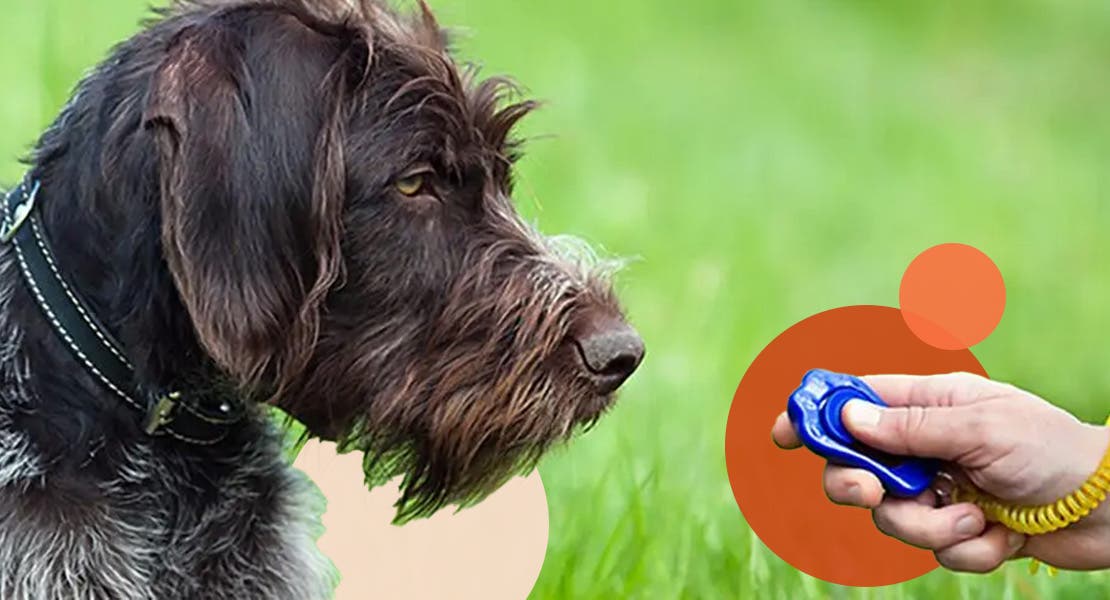
Reward-based training approaches, commonly referred to as positive support methods, efficiently encourage desirable behaviors in pets by connecting actions with benefits. These methods make use of deals with, praise, or play to strengthen specific actions, producing a positive understanding atmosphere. For instance, when a dog rests on command and receives a reward, it begins to recognize the connection in between the action and the reward. This technique cultivates depend on and strengthens the bond between the pet and its owner. In addition, it promotes a complacency, allowing the canine to feel great in its capacity to please its handler. On the whole, reward-based training not just boosts obedience however additionally adds to a well-adjusted and pleased pet dog, making it a favored selection for numerous pet dog proprietors.
Timing and Consistency
When training canines, the relevance of timing and consistency can not be overemphasized, as these components play a necessary role in reinforcing preferred actions. Reliable timing guarantees that benefits are given right away adhering to a favorable activity, allowing the dog to make a clear connection between the habits and the support. Uniformity, on the various other hand, means applying the same hints and rewards every single time a specific behavior occurs, which promotes understanding and depend on. Without these 2 parts, pets might come to be baffled concerning what is anticipated of them. By preserving a structured method, instructors can improve their pet dog's discovering experience, causing much better behavior and a stronger bond in between the pet dog and owner, ultimately resulting in effective training end results.
Establishing Attainable Goals
Setting attainable goals is crucial in pet dog training, as it helps proprietors maintain inspiration and focus throughout the procedure. Clear objectives, such as mentor basic commands or enhancing leash good manners, supply framework to training sessions. Owners need to break down these objectives right into smaller, convenient steps, enabling for steady progress. Understanding "rest" can start with enticing the pet dog right into position, complied with by fulfilling successful attempts. Positive reinforcement strategies, such as deals with or appreciation, reinforce preferred actions, making training enjoyable for both canine and proprietor. Tracking progress can also improve motivation, motivating proprietors to commemorate tiny triumphes. By setting reasonable expectations, owners produce a favorable training atmosphere, fostering a more powerful bond with their hairy friends.
Uniformity Is Trick
Although many elements contribute to successful canine training, consistency stands apart as one of the most vital aspects. Canines thrive on routine, and foreseeable explanation commands aid enhance discovering. Canines begin to recognize what is anticipated of them when proprietors use training methods regularly. Inconsistent support can puzzle a dog, leading to aggravation for both the animal and proprietor. It is necessary for all member of the family to make use of the exact same commands and rewards, guaranteeing a unified approach to training. In addition, consistency in timing throughout training sessions can improve a dog's capability to learn and preserve brand-new behaviors. By developing a consistent and strong foundation, pet dog owners set their pets up for lasting success in obedience and behavior.
Integrating Training Into Daily Routines
Incorporating training right into everyday regimens can significantly improve a dog's learning experience, as it enables all-natural chances to enhance commands and habits. Easy tasks, such as feeding, walking, or having fun, can act as suitable moments for training. Making use of sit or stay commands prior to dishes aids establish structure and self-control. Throughout strolls, practicing leash manners and recall can change an ordinary outing into an efficient training session. In addition, engaging in short training exercises throughout the day keeps the canine psychologically triggered and enhances found out skills. Consistent integration of training into daily tasks cultivates a much deeper bond between the dog and proprietor, making the training procedure satisfying and reliable. This strategy inevitably adds to a mannerly and delighted canine buddy.
Fixing Typical Training Difficulties
When training canines, diversions and anxiety can pose substantial obstacles. It is crucial to recognize approaches to lessen these diversions and assist dogs really feel even more protected during training sessions. Addressing these usual concerns can cause a more positive and reliable training experience.

Dealing With Diversions Throughout Training
Disturbances can derail even the most focused training sessions, making it necessary for trainers to execute techniques that lessen their effect. To begin, picking a silent and acquainted atmosphere for training can considerably lower exterior stimulations. Slowly introducing interruptions, such as other animals or noises, helps dogs find out to concentrate among difficulties. Furthermore, using high-value rewards can capture a dog's focus and strengthen desired actions. Brief, appealing training sessions keep dogs determined and much less likely to be distracted. Uniformity is crucial; establishing a regular aids pets recognize what to anticipate. Instructors must remain tranquil and patient, as their attitude can influence the pet dog's ability to focus, fostering a much more effective training environment.
Overcoming Concern and Anxiousness
Conquering anxiety and anxiety in pet dogs calls for a thoughtful method, as these psychological challenges can impede training progression. It is necessary to recognize the specific triggers that cause stress and anxiety, whether they are loud sounds, unfamiliar environments, or specific individuals. Steady desensitization can be effective; introducing the pet dog to these triggers in a regulated fashion helps them build confidence. Favorable reinforcement methods, such as deals with and appreciation, urge calm behavior during stressful situations. Furthermore, producing a risk-free area where the pet dog can pull away when really feeling bewildered is this website essential. Uniformity and perseverance are key; training sessions should be positive and short to avoid intensifying stress and anxiety. With time and proper methods, scared pet dogs can discover to manage their emotions and thrive.
Frequently Asked Inquiries
What Age Is Ideal to Beginning Training My Dog?
The ideal age to begin training a dog is usually around eight weeks old. Freeport Florida Dog Trainer. At this stage, pups are very responsive to learning and can quickly realize standard commands, setting a foundation for future training
How much time Should Each Training Session Last?
Each training session ought to preferably last in between 5 to 15 minutes, relying on the pet dog's age and interest period. Short, regular sessions help keep interaction and reinforce link finding out successfully, making training pleasurable for both pet and owner.
Can I Train Multiple Pet Dogs at Once?
Training numerous pet dogs at the same time is feasible, but it needs careful administration to guarantee focus (Professional Dog Training Freeport FL). Each dog may require private focus, so training sessions must be structured to decrease interruptions and advertise reliable knowing for all
What Are Some Signs My Dog Is Learning?
Indicators that a dog is discovering include enhanced attention, much faster action times, constant efficiency of commands, willingness to involve, and presenting enjoyment or positive body movement. These signs reflect the pet's expanding understanding and retention of training.
How Do I Know if My Dog Is Emphasized Throughout Training?
Signs of a worried pet dog during training might include excessive panting, pacing, whimpering, cring, or revealing uninterest in jobs - Dog Training Freeport Florida. Observing these actions can assist determine when to readjust training methods for the pet dog's well-being
Recognizing a dog's behavior is crucial for efficient training, as it makes it possible for owners to react appropriately to their family pet's needs. Setting clear training objectives is vital for reliable canine training, as it gives both the owner and the pet dog with a clear instructions. Setting attainable objectives is vital in pet training, as it helps proprietors maintain inspiration and emphasis throughout the procedure. Positive support strategies, such as treats or praise, enhance wanted behaviors, making training satisfying for both dog and owner. Constant assimilation of training right into day-to-day tasks fosters a deeper bond between the canine and proprietor, making the training procedure delightful and effective.
Comments on “Board and Train Freeport Florida training transformations every dog owner should read”